This is one of the most common questions we are asked, and for good reason. Whether you’re starting a business, growing a fleet, or simply maintaining your own property, choosing a skid steer is a big decision that affects productivity, uptime, and long-term ownership costs.
Here’s the reality most brochures won’t tell you: most major skid steer brands are more alike than different. When you compare equivalent machines, performance differences are usually minor. What matters most isn’t the logo on the side – it’s the support behind it.
Major Skid Steer Brands & Frame Sizes
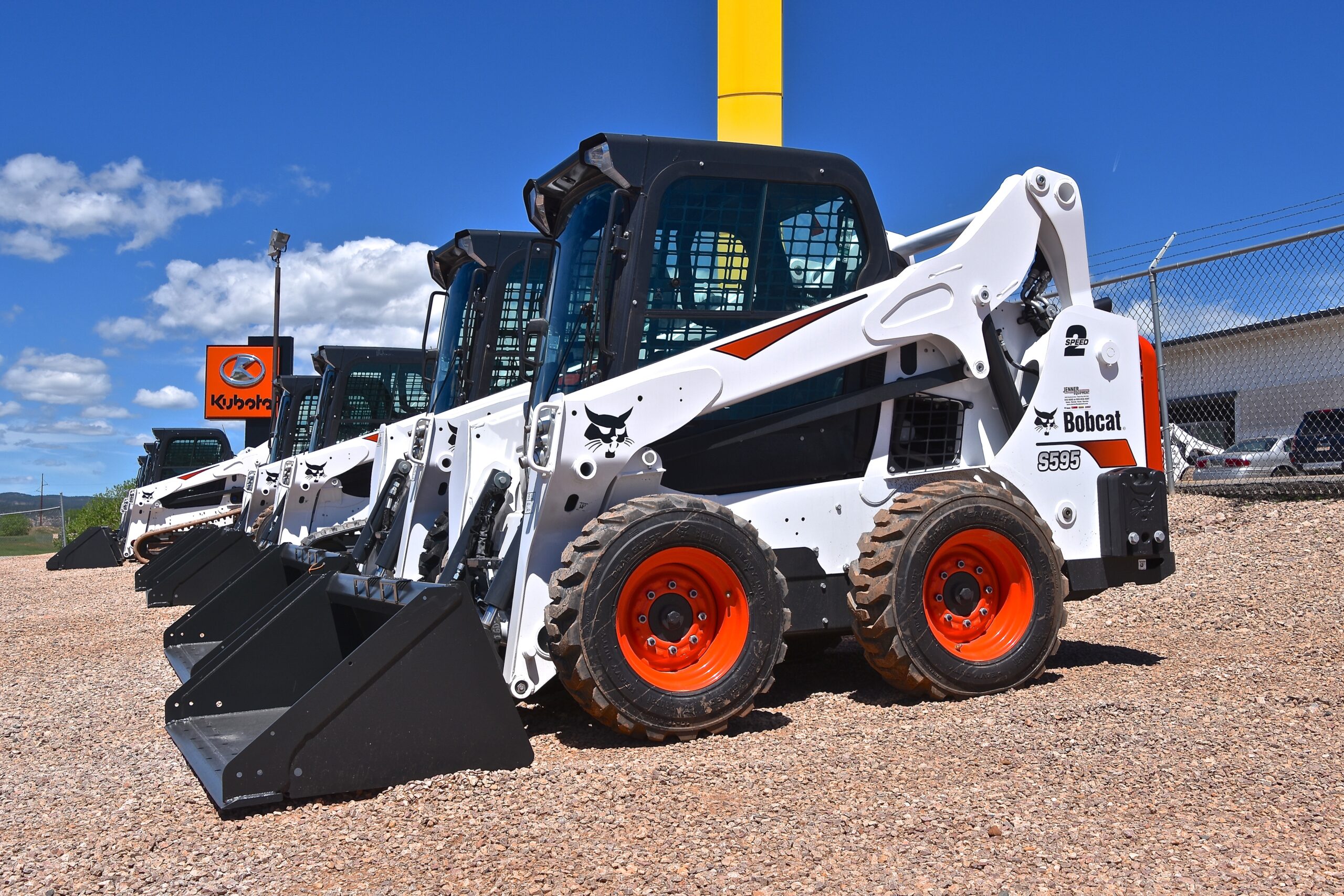
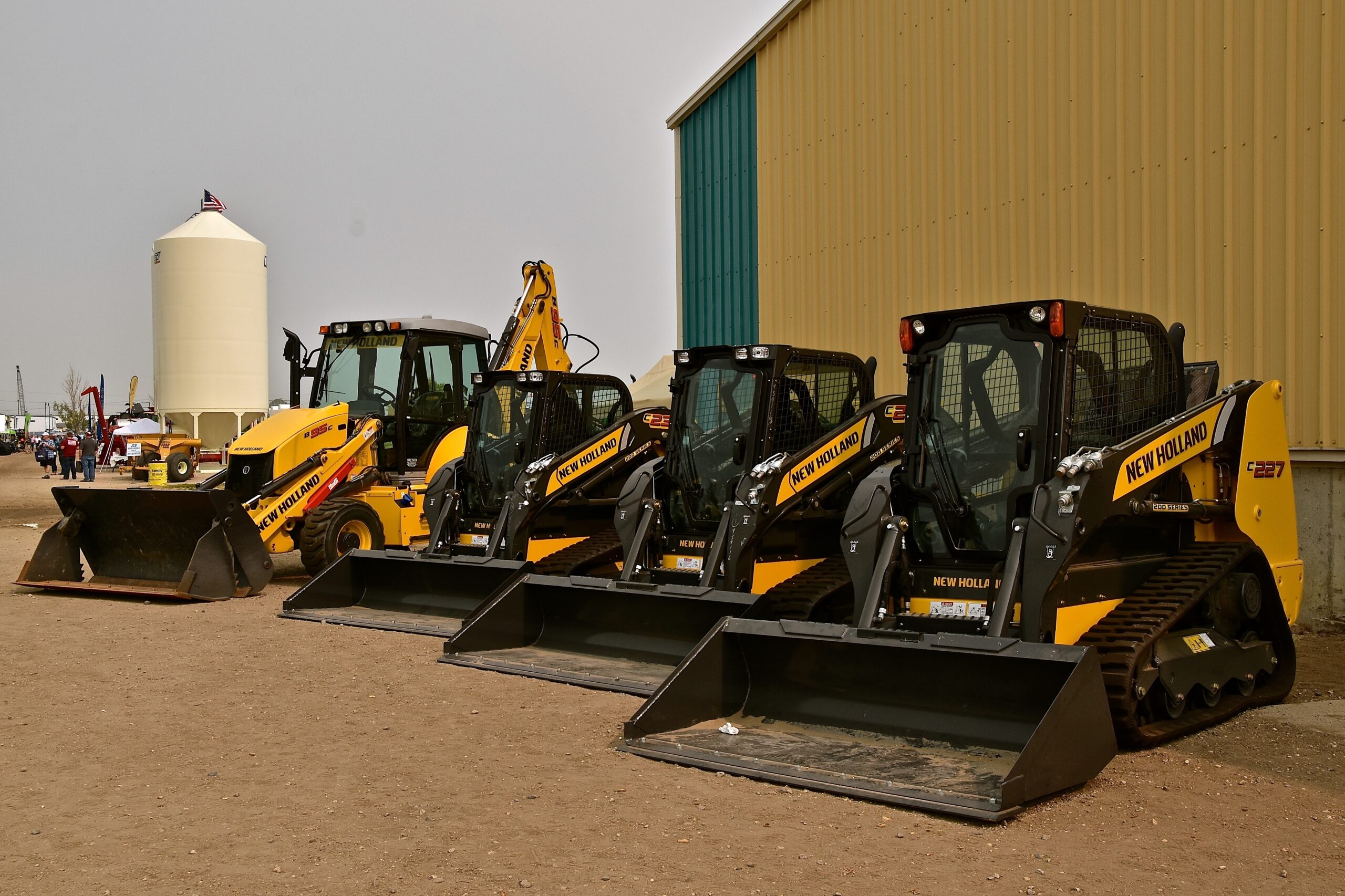
Commonly seen brands include: Bobcat, Caterpillar, Kubota, John Deere, CASE Construction Equipment, New Holland Construction, JCB, ASV, Gehl, Mustang (acquired by Gehl, then Manitou) and Takeuchi.
Nearly every manufacturer offers skid steers in small-frame, mid-frame, and large-frame classes. Within each size category, machines tend to be very similar in:
- Horsepower
- Auxiliary hydraulic flow
- Operating weight
- Rated operating capacity
For most contractors and landowners, choosing the correct size frame matters far more than choosing a specific brand.

The Biggest Takeaway: Local Dealer Support & Service
This is the part buyers often overlook.
A skid steer is a complex piece of machinery, and every owner will need service at some point, hydraulic hoses will fail, sensors act up, electrical issues appear, and routine maintenance adds up. When that happens, the best machine in the world doesn’t help if it’s sitting broken.
Before buying, focus on the dealership:
- How close are they to you?
- Do they stock parts or order everything?
- Do they have full-time technicians and mobile service trucks?
- What do reviews say about service, not sales?
A strong local dealer keeps you working. A weak one keeps you waiting.
When Brand Choice Actually Matters (The Outliers)
While most machines are comparable, a few situations make brand selection more important.
- Kubota skid steers are often among the most affordable options on the market, making them a solid choice for first-time buyers or fleet expansion where upfront cost matters.
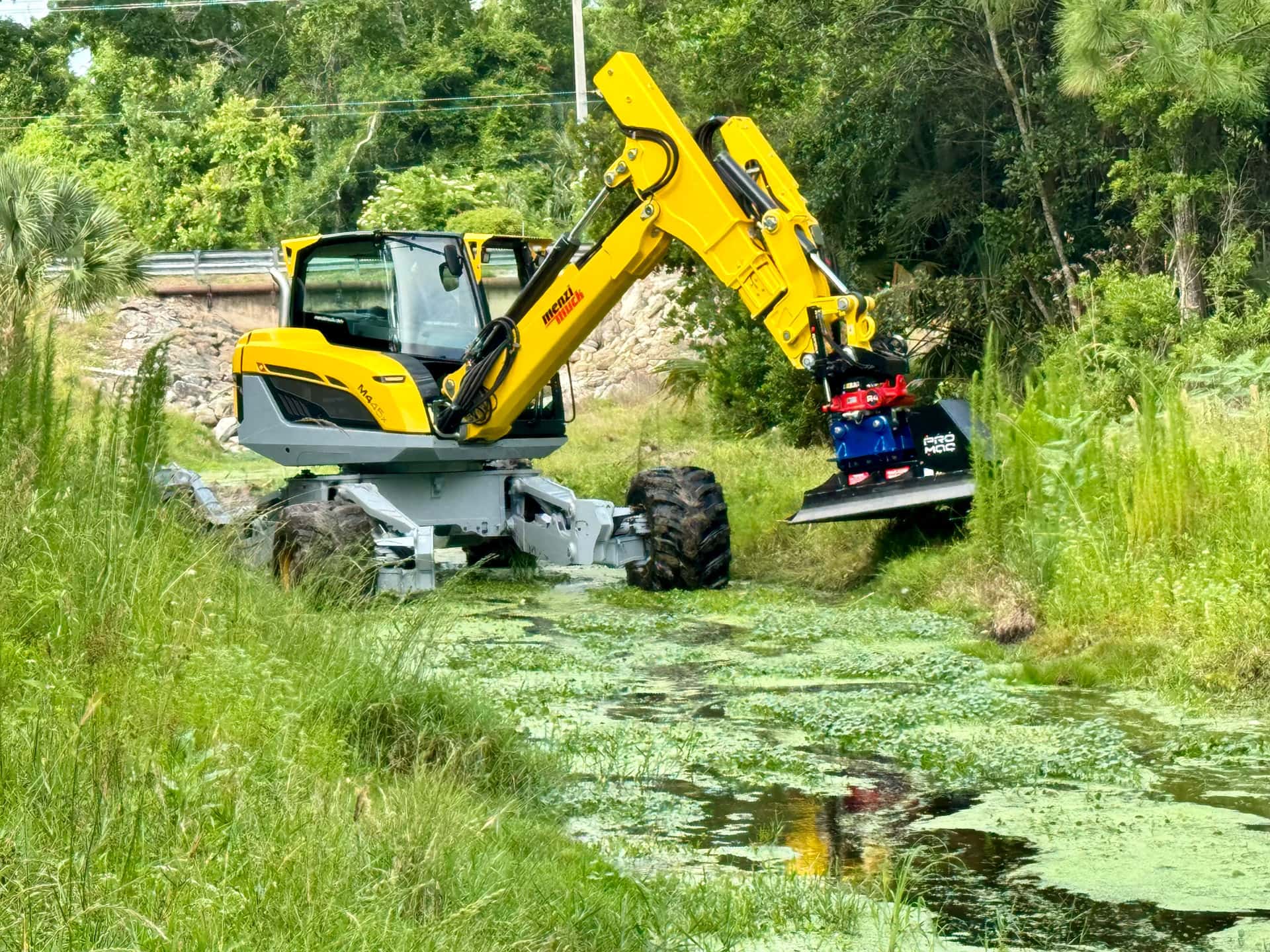
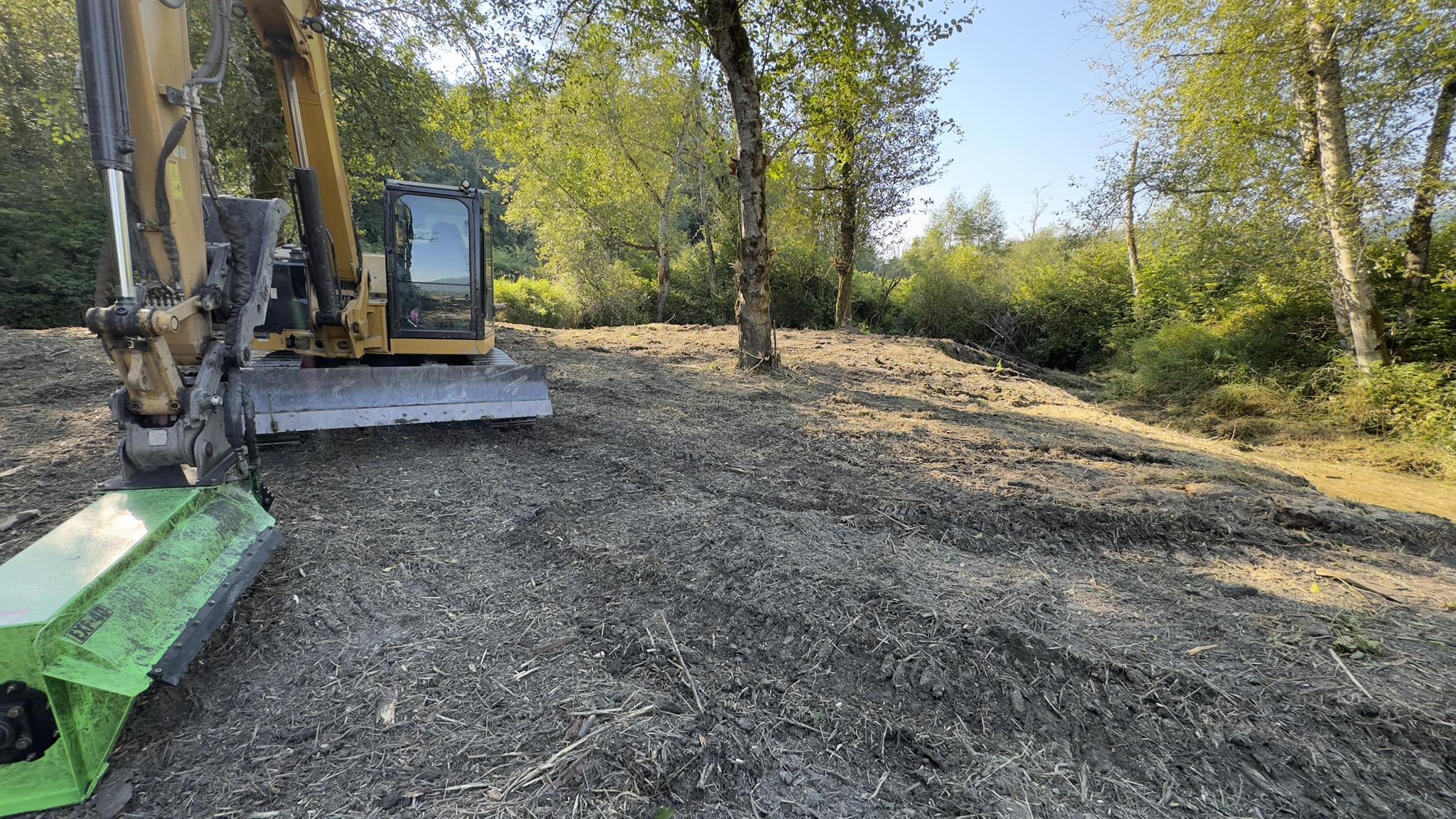
- For forestry mulching and mastication, auxiliary hydraulic flow can directly impact production. High-flow machines like the ASV RT-135 running 50 GPM are frequently chosen for these demanding applications.
- If maximum lift capacity is the priority, large-frame machines such as the Gehl V420 or Bobcat S850 stand out with very high rated operating capacities.
- Telescopic boom arms and the side entry door of the JCB 2TS/3TS are often praise by warehouse machines for easy pallet placement.
- Electrical systems can affect attachment costs. Some manufacturers use proprietary connectors—like Bobcat’s 7-pin—which can make running non-OEM attachments slightly more complicated or expensive.
- Control layouts vary more than people expect. Switching joystick patterns between brands can slow operators down. New operators should always sit in and run multiple machines before committing.
Final Thoughts
If you’re deciding which skid steer to buy, start with the dealer, then choose the machine. Match the size to your work, be honest about special applications like mulching or heavy lifting, and don’t underestimate how much good service support matters.
The best skid steer isn’t the one with the best brochure – it’s the one that gets fixed quickly and keeps you in the seat making money.